Turkish President Recep Tayyip Erdogan has condemned Israel’s decision to recognise Somaliland as a sovereign state, calling the move “illegitimate and unacceptable”.
At a joint news conference with Somali President Hassan Sheikh Mohamud in Ankara on Tuesday, Erdogan warned that Israel’s recognition of the breakaway region of Somalia could destabilise the Horn of Africa.
He added that Turkiye and Somalia were deepening energy cooperation after promising signs from joint offshore exploration efforts.
“Preserving the unity and integrity of Somalia in all circumstances holds special importance in our view. Israel’s decision to recognise Somaliland is illegitimate and unacceptable,” Erdogan said.
“The Netanyahu government has the blood of 71,000 of our Palestinian brothers and sisters on its hands. Now it is trying to destabilise the Horn of Africa as well, after its attacks on Gaza, Lebanon, Yemen, Iran, Qatar and Syria,” he added, referring to Israel’s genocidal war on Gaza.
Israel became the first and only country to formally recognise Somaliland last Friday, describing the move as being in the spirit of the Abraham Accords, which normalised ties between Israel and several Arab nations.

‘Illegal aggression’
Somaliland unilaterally declared independence from Somalia in 1991, following the collapse of the central government after a civil war. Despite maintaining its own currency, passport and army, it has failed to gain international recognition.
Standing alongside Ergogan, Mohamud accused Israel of “illegal aggression”, saying the recognition breaches the United Nations charter and African Union agreements.
“Israel is exporting its problems in Gaza and Palestine, and it is trying to divert the attention of the entire world, including the Arab and Islamic world,” he later told Al Jazeera in an interview.
“Israel will resort to forcibly displacing Palestinians in Somalia. It also wants to control strategically important waterways that connect vital seas, both commercially and economically, between the Red Sea, the Gulf, and the Gulf of Aden.”
Destabilising Africa
Mohamud warned that the move would have international consequences and also said it could mark the beginning of instability in the Horn of Africa, particularly in Somalia.
He recalled that Turkiye had previously played a mediating role between Somalia and Somaliland and continues to support efforts to resolve the dispute peacefully.
Abdinor Dahir, an independent researcher, said that Turkiye has invested heavily in Somalia, supporting its security forces and political process, while mediating talks between Somalia and Somaliland.
Israel’s recognition “threatens Turkiye’s economic interests” and presence in the country and “poses a direct challenge to Somalia’s sovereignty”, he told Al Jazeera.
Dahir warned that Somalia, which has endured years of civil war and continues to fight armed groups including al-Shabab and ISIL (ISIS), has made progress on security, which could be undermined by the move.
The recognition risks “destabilising the wider African region, and could transfer the Middle East conflict into the Horn of Africa”, he said.
LATEST POSTS
- 1
 Investigate Business Mastercard Choices for Better Rewards and Rewards
 - 2Israeli military says it hit dozens of military facilities in Tehran
- 3Artemis 2 astronauts reveal adorable zero-g indicator 'Rise' | Space photo of the day for March 31, 2026
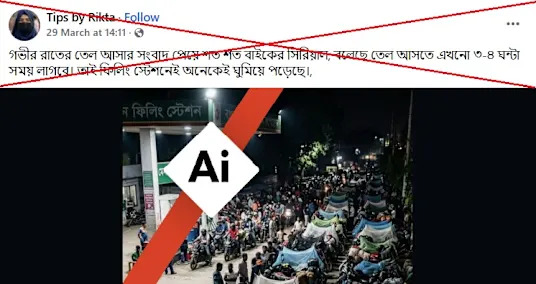
- 4Images of Bangladeshi motorcyclists sleeping at petrol pumps are AI-generated
- 5Sound Propensities: 20 Methods for helping Your Insusceptible Framework




- No more attempts to free whale stranded off Germany, officials say
- Step by step instructions to Appropriately Keep up with Your Sunlight powered chargers for Most extreme Productivity
- Timothy Busfield turns himself in to face child sexual abuse charges in New Mexico
- Building an Individual Brand: Illustrations from Forces to be reckoned with
- Brexit's Effect on New York's Ascent as a Main Monetary Center
- Live long and loiter: Why NASA's ESCAPADE probes will wait a year in space before heading to Mars
- The most effective method to Apply Antiquated Ways of thinking in Current Brain science Practices
- The most effective method to Use an Internet Showcasing Degree for Advanced Predominance
- Picking the Right Air Purifier for Your Home