A Palestinian infant has frozen to death in the Gaza Strip, local authorities say, as Israel continues to restrict the entry of shelter supplies and other humanitarian aid to the enclave despite the harsh winter conditions there.
The Palestinian Ministry of Health in Gaza said on Tuesday that the two-week-old baby, Mohammed Khalil Abu al-Khair, died a day earlier after seeking treatment for severe hypothermia, brought on by the extreme cold gripping Gaza.
Reporting from Gaza City, Al Jazeera’s Tareq Abu Azzoum noted that the child’s death comes as basic protections in Gaza have been “systematically dismantled” due to Israel’s genocidal war against Palestinians in the territory.
“Families are living in tents on wet ground without heating, electricity or sufficient clothing,” Abu Azzoum said. “When food, fuel, shelter and aid are banned, cold absolutely becomes lethal.”
Israel’s two-year war has decimated more than 80 percent of the structures across Gaza, forcing hundreds of thousands of families to take refuge in flimsy tents or overcrowded makeshift shelters.
A huge storm that recently hit the Strip killed at least 11 people as torrential rains and fierce winds flooded tents and caused damaged buildings to collapse.
“We try to dry the children’s clothes over the fire,” Umm Mohammed Assaliya, a displaced Palestinian mother, told Al Jazeera from Gaza City.
“There are no spare clothes for them. I am exhausted. The tent we were given cannot withstand winter conditions. We need blankets,” she said.
Humanitarian groups have urged Israel to allow unimpeded deliveries of aid to Gaza.
But the United Nations agency for Palestinian refugees, UNRWA, which the UN says is best suited to distribute supplies in the territory, says the Israeli government has blocked it from bringing aid directly into Gaza.
“People have reportedly died due to the collapse of damaged buildings where families were sheltering. Children have reportedly died from exposure to the cold,” UNRWA said in a social media post on Tuesday.
“This must stop. Aid must be allowed in at scale, now.”
Hamas slams Israeli ceasefire violations
Meanwhile, Hamas has condemned Israel for its repeated violations of a ceasefire deal that came into effect in October.
At least 393 Palestinians have been killed and 1,074 others wounded in Israeli attacks on Gaza since the first full day of the ceasefire on October 11, according to the latest figures from the enclave’s Health Ministry.
The Israeli military also killed a senior Hamas leader, Raed Saad, in a targeted attack on a vehicle in western Gaza City on Saturday, further straining the tenuous truce.
On Tuesday, Hamas leader Ghazi Hamad accused Israel of “manipulating” the text of the US-brokered agreement.
“We want to make it absolutely clear: the ceasefire agreement is straightforward, detailed, and unambiguous. However, it’s evident that the Israeli occupation has distorted the text, manipulating and violating every single article,” Hamad said.
“Since day one, Hamas has fully abided by the agreement and honoured its commitments. In contrast, Israel has deliberately committed several systematic and preplanned breaches.”
LATEST POSTS
- 1
 NI economy losing momentum due to Iran crisis
 - 2Thousands of Walgreens nasal spray bottles recalled. See which ones.
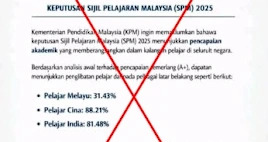
- 3Fabricated statement about Malaysian national exam top scorers stokes racial sentiment
- 4Skeleton of famed musketeer possibly found in Dutch church
- 5IDF kills four terrorists equipped with weapons, surveillance gear near Gaza's Yellow Line




- General Atlantic says ‘biggest mistake’ would be pulling back on Gulf deals
- 'Women on the floor, riddled with bullets': Ex-hostage Rom Braslavski recounts 'horrors' of Oct. 7
- Israel launches new wave of attacks against Hezbollah in Beirut
- 'We were genuinely astonished': This moss survived 9 months outside the International Space Station and could still grow on Earth
- Thyssenkrupp to suspend electrical steel production at French site
- Grasping Wrongdoings and Crimes: A Correlation
- The Best Portable Applications for Emotional wellness and Prosperity
- Vote in favor of your favored spot to peruse
- Sought-After Extravagance Ocean side Objections for a Lovely Escape