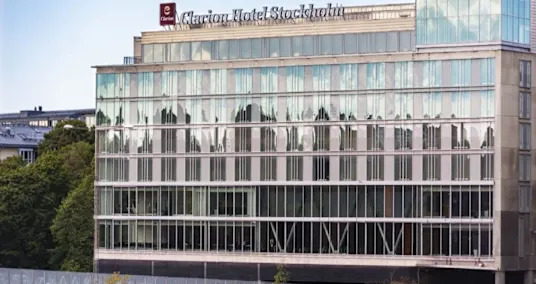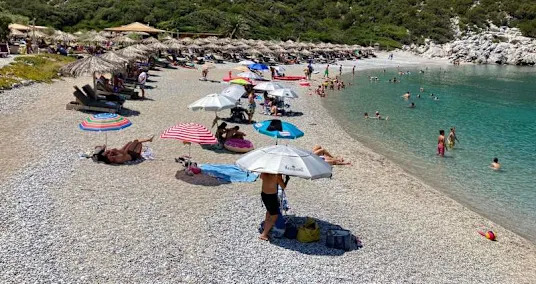
Greece and Cyprus are feeling the effects of the war in the Middle East as the holiday season approaches, with uncertainty over rising costs and economic developments causing concern across the hotel sector.
In Athens, industry representatives are observing a noticeable slowdown in reservations.
Travel agencies and hoteliers say many holidaymakers are hesitating and waiting to see how the situation develops.
Greek Tourism Minister Olga Kefalogianni spoke late last week of the psychological burden caused by the war, but also suggested that holidaymakers may concentrate on destinations considered safe — including Greece, which lies far from the actual crisis region.
Cyprus in contrast is closer to the conflict region and has experienced its effects directly: in early March, an Iranian-made drone struck the British RAF Akrotiri airbase near Limassol, causing minor damage.
The government in Nicosia has launched a package worth €200 million ($230 million) to cushion the economic consequences of the Middle East crisis.
In April, 30% of the wages of employees in hotels and other holiday accommodation will be covered. The government is also planning support for airlines.
Cypriot Tourism Minister Kostas Koumis said that the drop in tourist arrivals from several important markets such as Israel and several Arab states was particularly problematic.
LATEST POSTS
- 1
 Well known Tea Brands for Each Tea Sweetheart
 - 2Highlight Correlation of Microsoft Surface Book and Surface Genius Workstations for Determination
- 3Boats escort freed whale away from shallow waters off German coast
- 4Israeli archaeologists launch project to trace origins of ancient pottery
- 5Step by step instructions to Involve Compact disc Rates for Magnanimous Giving




- Grass Care Administrations for a Wonderful, Sound Yard
- 6 Travel Services for Colorful Get-aways: Pick Your Fantasy Escape
- Instructions to Explore the Universe of Vehicle Leases
- Launch pad damaged as Russian rocket blasts off for space station, agency says
- Tatiana Schlossberg, JFK's granddaughter, dies at 35 after terminal cancer diagnosis
- Best Amusement Park Bite: What Do You Very much want to Crunch On?
- Novartis to build manufacturing hub in North Carolina, creating 700 jobs
- Middle East hotels hit pandemic-era lows amid Iran war
- Drenched in Pixels: A Survey of \Vivid Interactivity Experience\ Game